I've broken more USB sticks in DJ booths than I'd like to admit. The reason is simple — most consumer USB sticks aren't made for the specific kind of abuse a touring DJ subjects them to. They're made for sitting in a desk drawer, getting plugged in once a week, and being lost six months later.
The three failure modes
There are three ways a DJ USB fails: the connector breaks because the housing flexes; the controller chip overheats because the case is sealed plastic; or the NAND degrades because the manufacturer cheaped out on the storage class. We engineered the NU Wave Pro against all three.
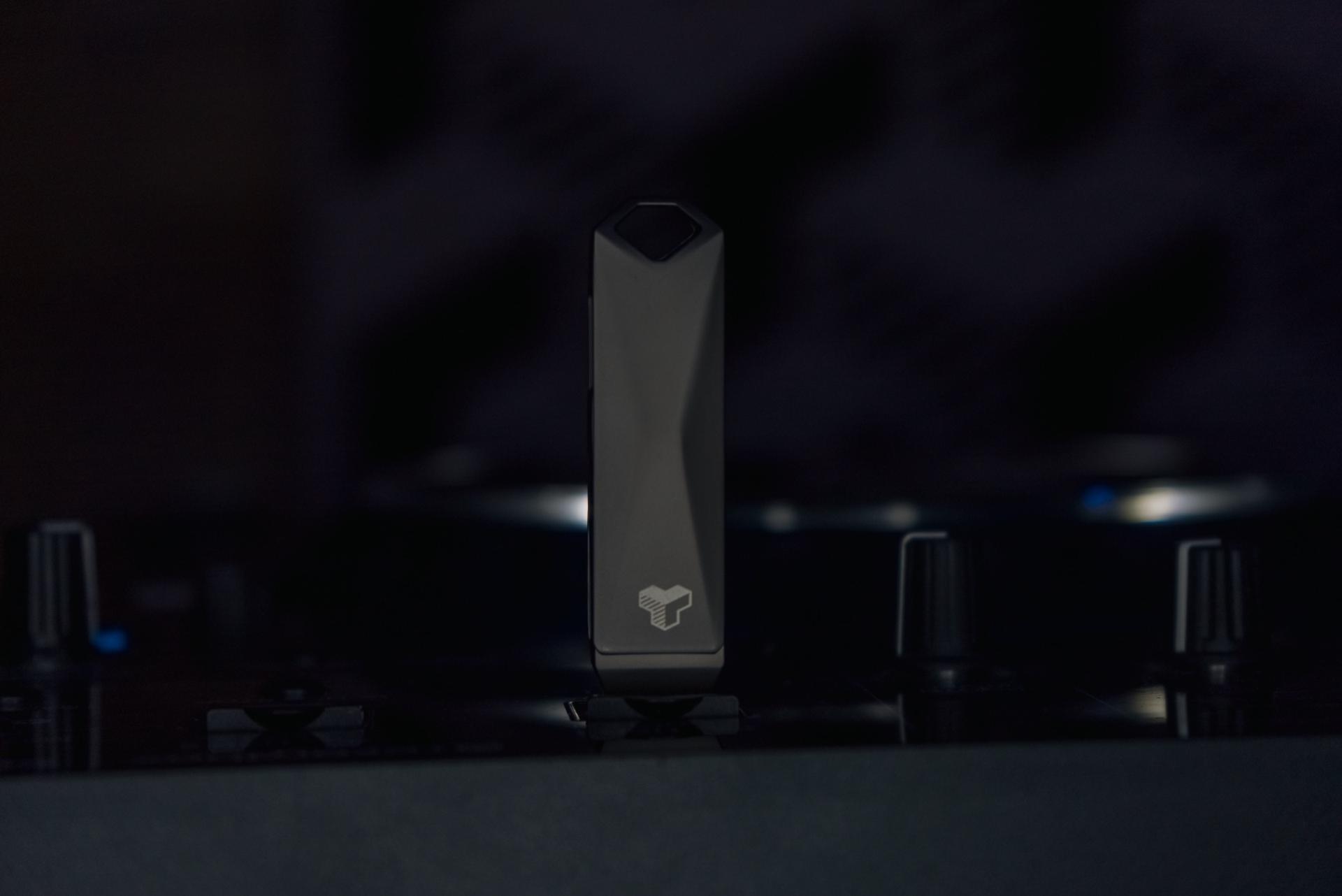
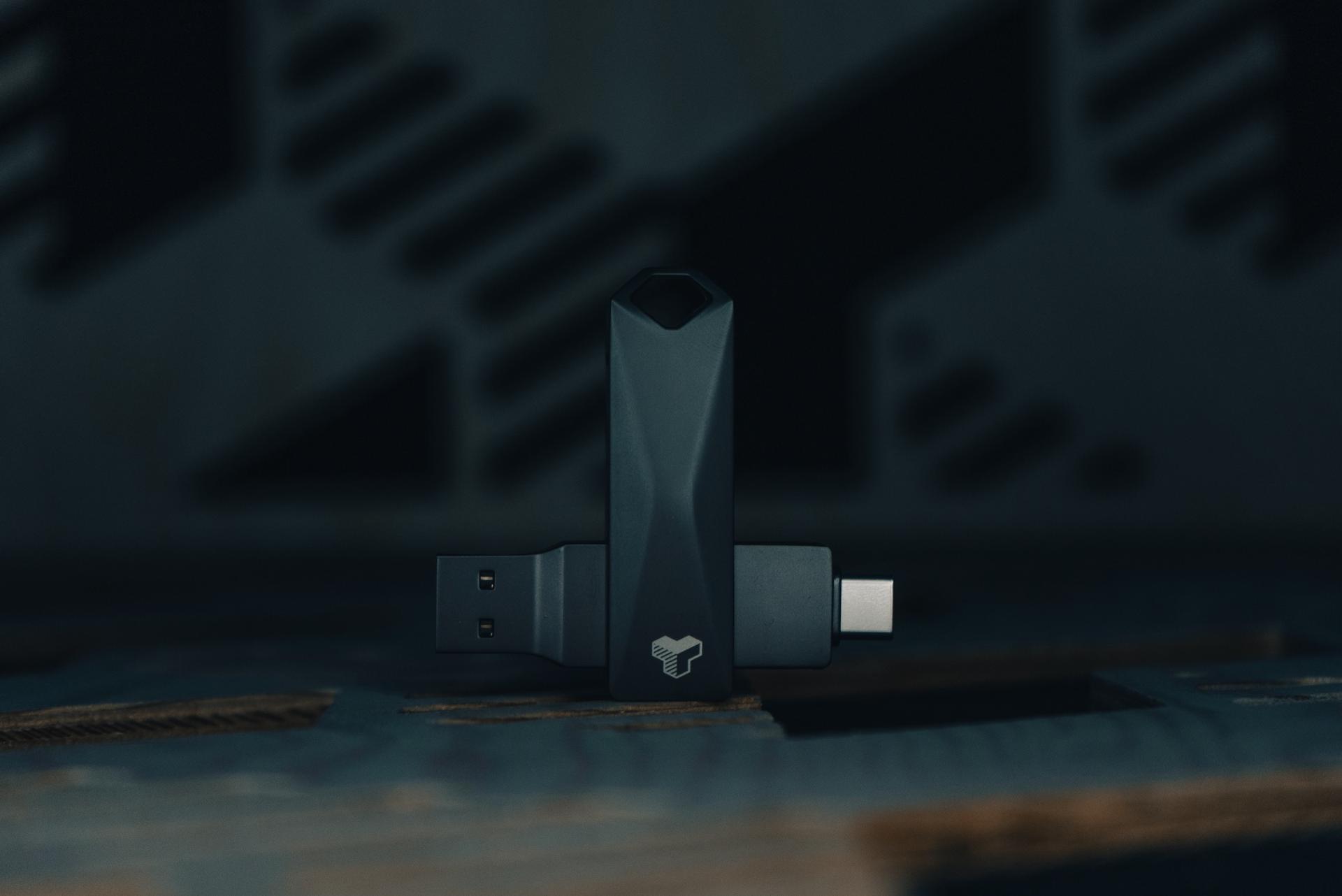
The shell is a single piece of milled aluminium. It dissipates heat. It survives being dropped, sat on, and forgotten in a jacket pocket through a wash cycle. The connector is reinforced internally with a ribbon stay so the solder joint isn't carrying the weight when you yank it out at 4am.
Why SLC NAND
Most consumer USBs ship with TLC or QLC NAND because it's cheap and capacity-dense. But it's also slower and less durable. SLC NAND, the kind in industrial drives, is faster, has 10× the write endurance, and reads tracks instantly on every CDJ generation we've tested.
“If a DJ USB takes more than two seconds to load a track, it's broken — even if it's working.”
32GB is enough. If you need more than 32GB of music ready to go in a single set, you're not playing a set, you're hosting a library. The point of a DJ USB is decisive selection, not endless choice.